
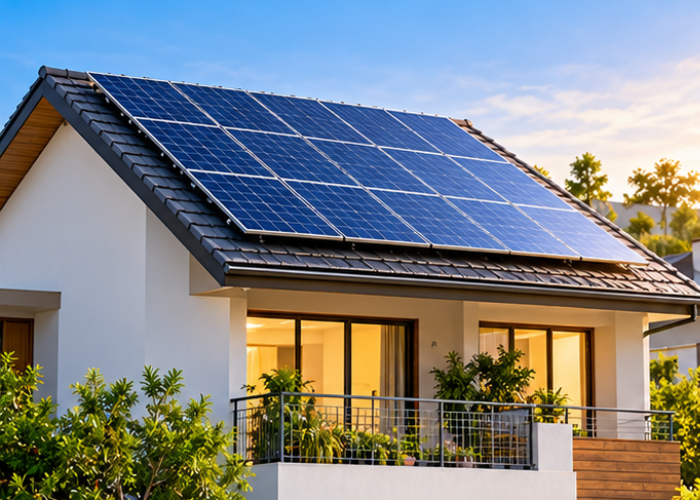
Residential Solar Systems
Solar energy solutions for houses and residential properties, planned around household electricity consumption, rooftop space and suitable system capacity.
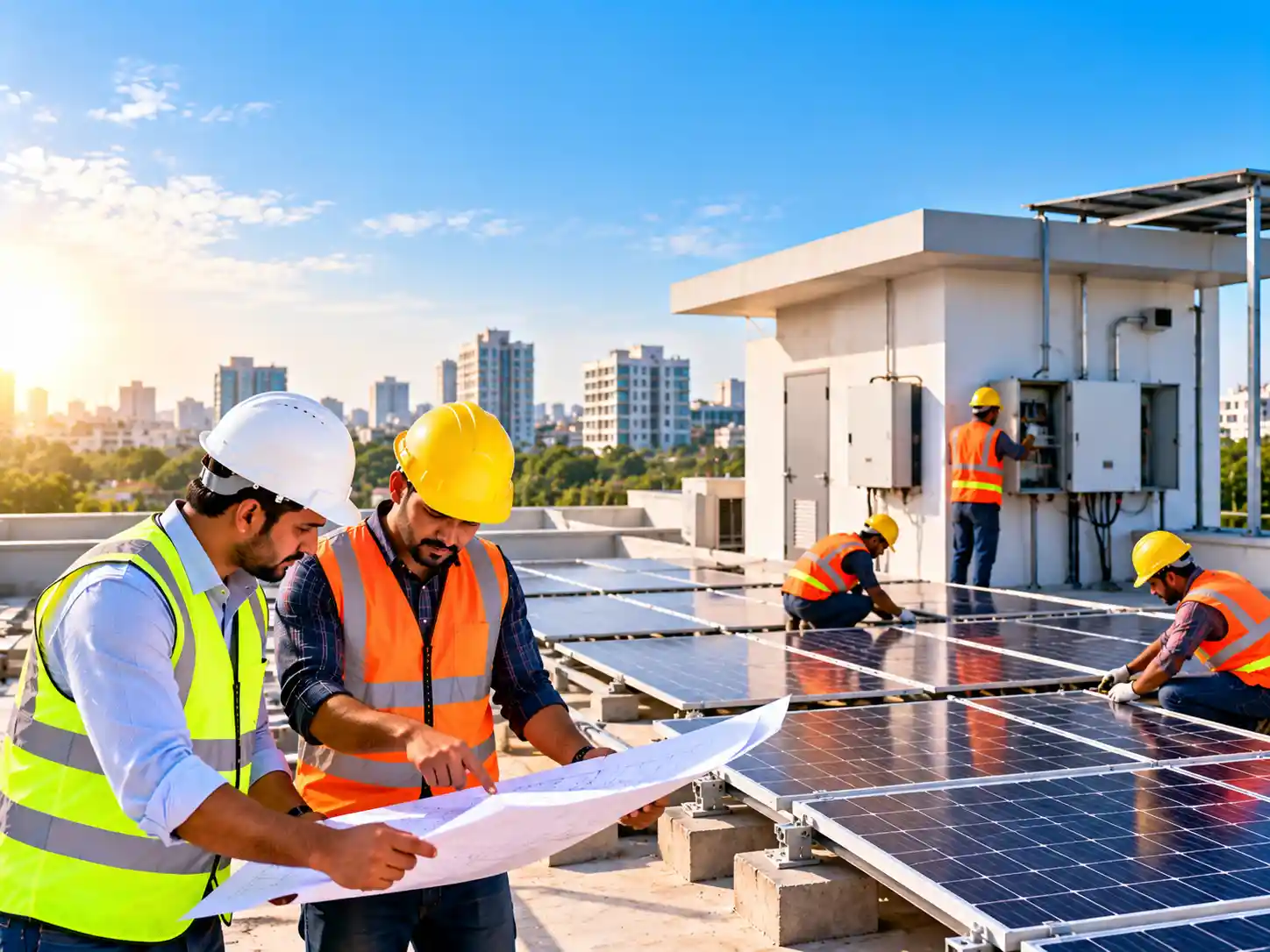
Liyan Construction & Developers Pvt. Ltd. supports building and property projects that explore practical solar energy solutions. Solar power can help properties use renewable energy and reduce dependence on conventional electricity, depending on the system design, energy consumption and installation conditions.
Every property has different electricity requirements, available rooftop space and installation considerations. Selecting a suitable solar system involves understanding energy usage, roof conditions, system capacity and applicable electrical and safety requirements.
Whether you are considering solar power for a home, office, commercial building or another suitable property, discuss your requirements to explore an appropriate solar installation solution.
Solar energy solutions planned around property type, electricity requirements and installation conditions.
Solar energy solutions for houses and residential properties, planned around household electricity consumption, rooftop space and suitable system capacity.
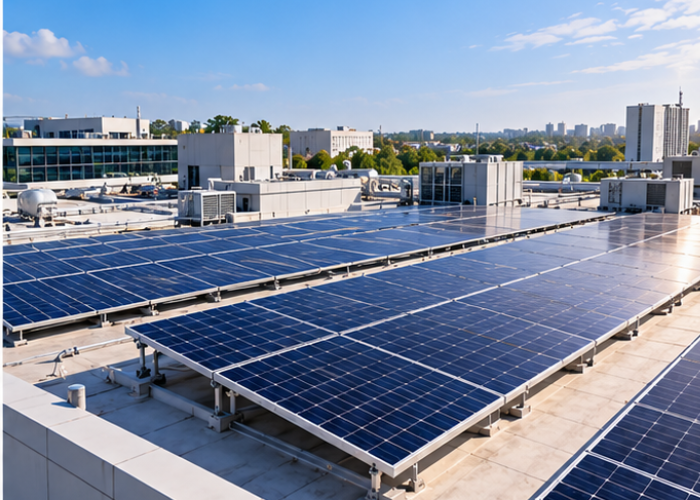
Solar power solutions for offices, commercial buildings and business premises based on electricity demand and available installation space.
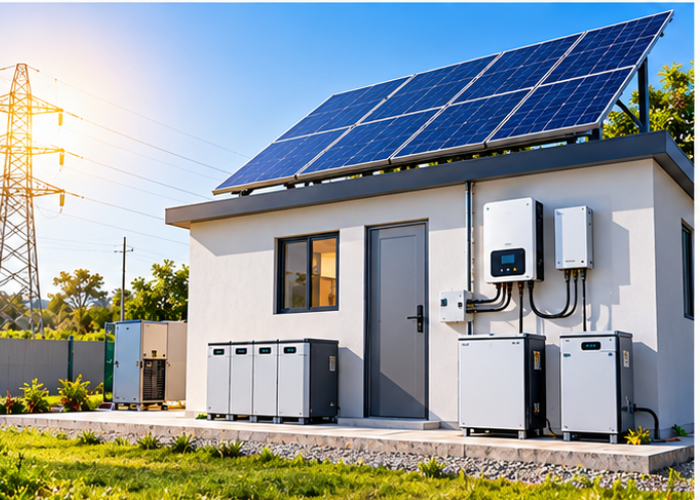
Explore grid-connected and off-grid solar configurations according to power requirements, grid availability, backup needs and system design.
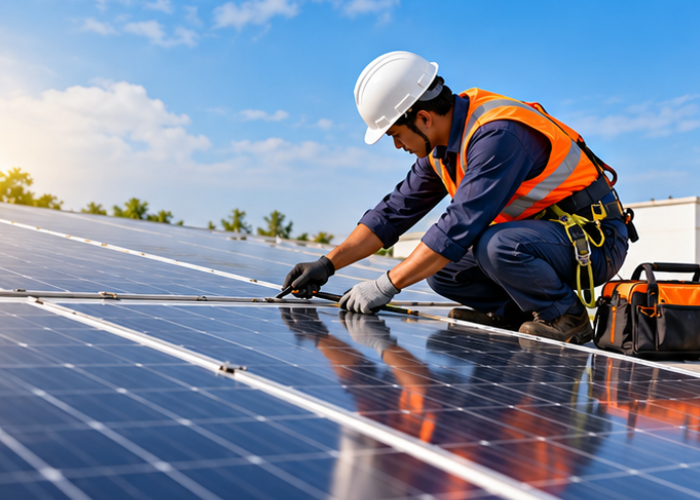
Maintenance and inspection requirements for installed solar systems, including panel cleanliness, visible condition and performance checks where applicable.
A considered approach to solar energy planning, with attention to property requirements, installation conditions and practical energy use.
Consider your electricity usage, property type and intended solar energy needs.
Review available installation space, system capacity and site conditions.
Coordinate agreed installation activities according to technical and safety requirements.
Give attention to suitable components, installation practices and system requirements.
Keep discussions focused on system options, expected costs and installation requirements.
Discuss suitable solar energy projects in Bhubaneswar and nearby areas.
Five clear stages to organise your solar system installation project.
Share your property details, electricity usage and solar energy objectives.
Discuss roof space, energy requirements and installation conditions.
Review the proposed system capacity, components, estimated costs and timelines.
Coordinate the agreed solar installation and associated electrical work.
Review installation completion and applicable system testing requirements.
The suitability of a solar system depends on electricity usage, available space, roof condition, grid availability, technical requirements and applicable approvals.
DISCUSS YOUR REQUIREMENTS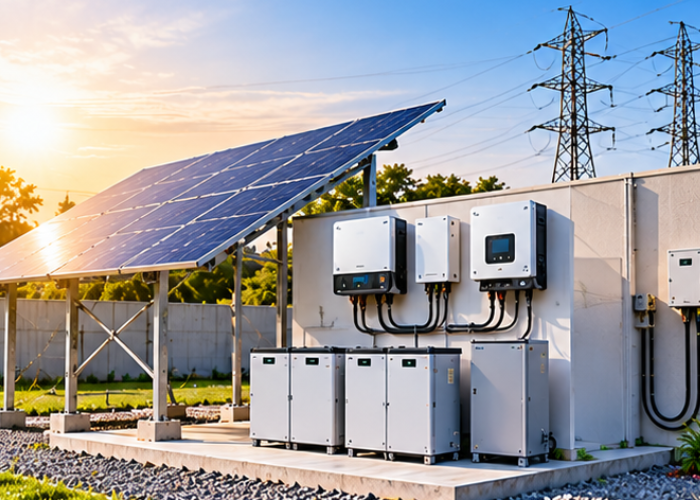
A solar power system uses photovoltaic panels to convert sunlight into electricity. Depending on the configuration, it can work with the electricity grid, batteries or an off-grid electrical setup.
Rooftop solar may be suitable if your property has appropriate roof space, structural conditions and sunlight exposure. A site assessment helps determine the suitable installation options.
An on-grid system operates in connection with the electricity grid and is subject to applicable grid requirements. An off-grid system operates independently and generally requires batteries or another suitable method of storing or supplying electricity when sunlight is unavailable.
The cost depends on system capacity, panel and inverter specifications, mounting arrangements, batteries if required, electrical work and installation conditions. A project-specific estimate can be prepared after reviewing your requirements.
Solar power can reduce electricity purchased from the grid, depending on system generation, consumption patterns, tariffs and applicable net-metering or export rules. Actual savings vary by property.
Solar systems benefit from periodic inspection, appropriate panel cleaning and checks of electrical connections and system performance. Maintenance requirements depend on the system design and manufacturer's recommendations.